lorabanzhitao@gmail.com

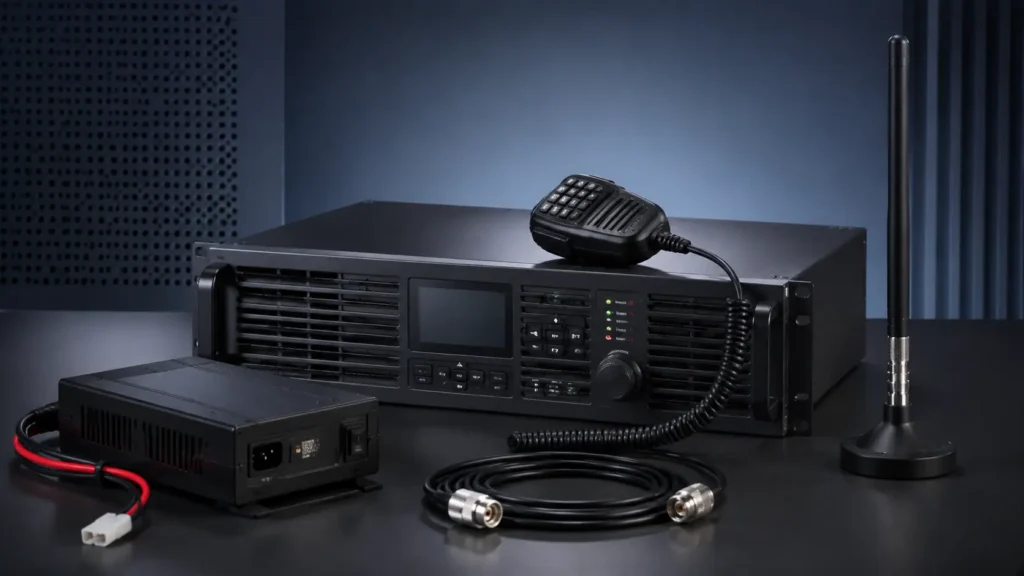
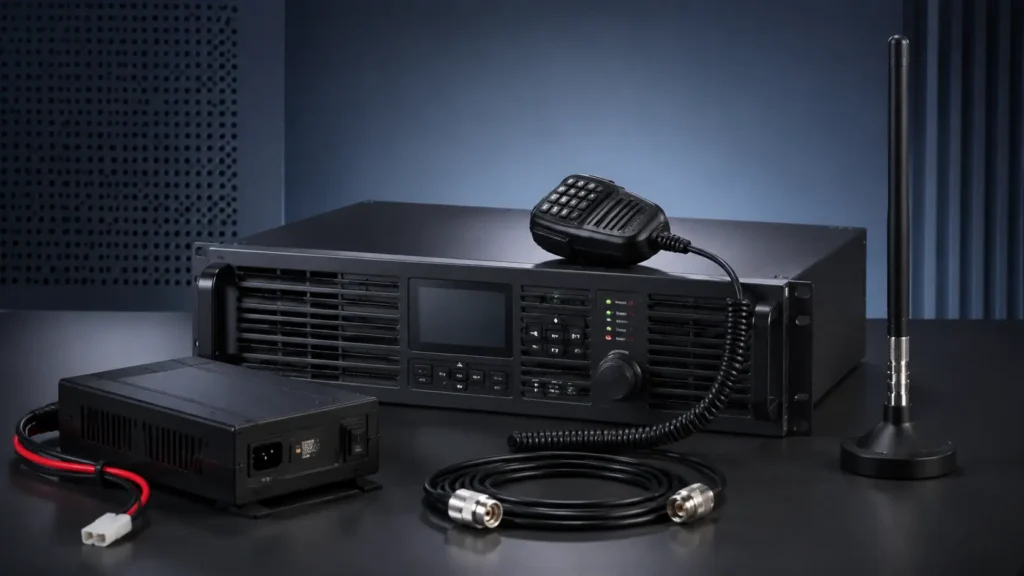
Two way radio repeater system for coverage planning

Walkie Talkie Battery & Charging Guide for 24/7 Shifts

Walkie Talkie Battery & Charging Guide for 24/7 Shifts Short answer: Round-the-clock operations need a spare battery rotation system, multi-unit charging trays or gang chargers at shift changeover points, and radios with a battery capacity rated for at least a full shift under real (not idle) talk conditions. Facilities that run 24 hours a day,

Walkie Talkie Battery & Charging Guide for 24/7 Shifts Read More »

Professional radio repeater for communication systems

IP65 vs IP67 vs IP68 Walkie Talkies: Which Do You Need?

IP65 vs IP67 vs IP68 Walkie Talkies: Which Do You Need? Short answer: IP65 protects against dust and low-pressure water jets, suitable for light outdoor use. IP67 protects against temporary submersion up to 1 meter, suitable for rain, mud and accidental drops in water. IP68 protects against continuous or deeper submersion, recommended for marine, agriculture

IP65 vs IP67 vs IP68 Walkie Talkies: Which Do You Need? Read More »

Two way radio export warehouse and order preparation

Logistics & Fleet Radios: Guide for Ports and Distribution

Logistics & Fleet Radios: Guide for Ports and Distribution Short answer: Trucking yards, ports and distribution centers usually need a mix of long-range mobile radios for vehicles and rugged handheld radios for yard staff, connected through a repeater or PoC network that covers the full site, including loading docks, gates and outdoor yard areas. Logistics

Logistics & Fleet Radios: Guide for Ports and Distribution Read More »

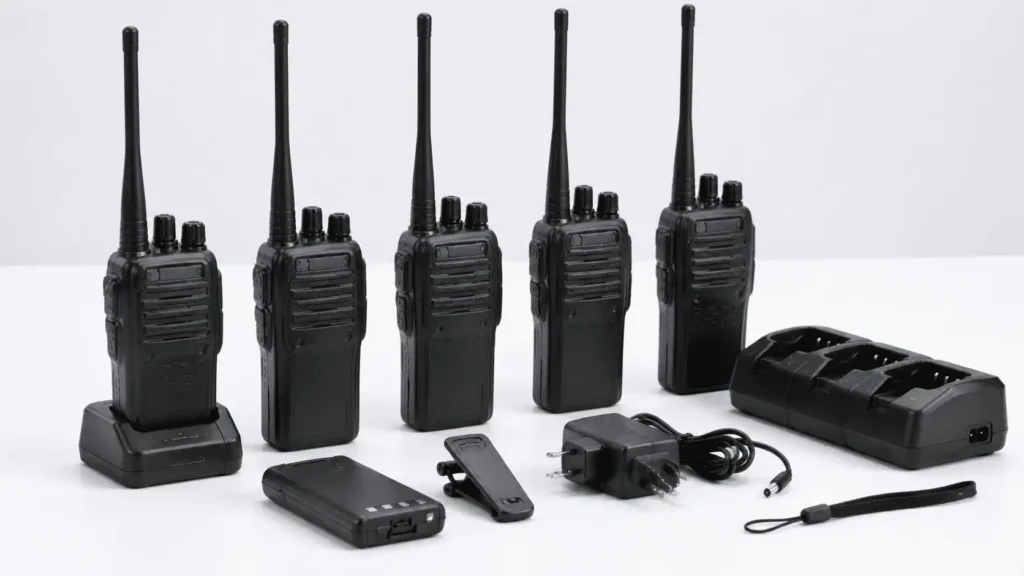
Analog two way radios for business communication

Licensed vs License-Free Walkie Talkies: A Buyer Guide

Licensed vs License-Free Walkie Talkies: A Buyer Guide Short answer: License-free radios operate on specific low-power frequency bands set aside by each country’s regulator and can be used without a license, while licensed radios offer higher power and dedicated frequencies but require a license from the destination country’s telecom authority. Rules differ significantly by country,

Licensed vs License-Free Walkie Talkies: A Buyer Guide Read More »

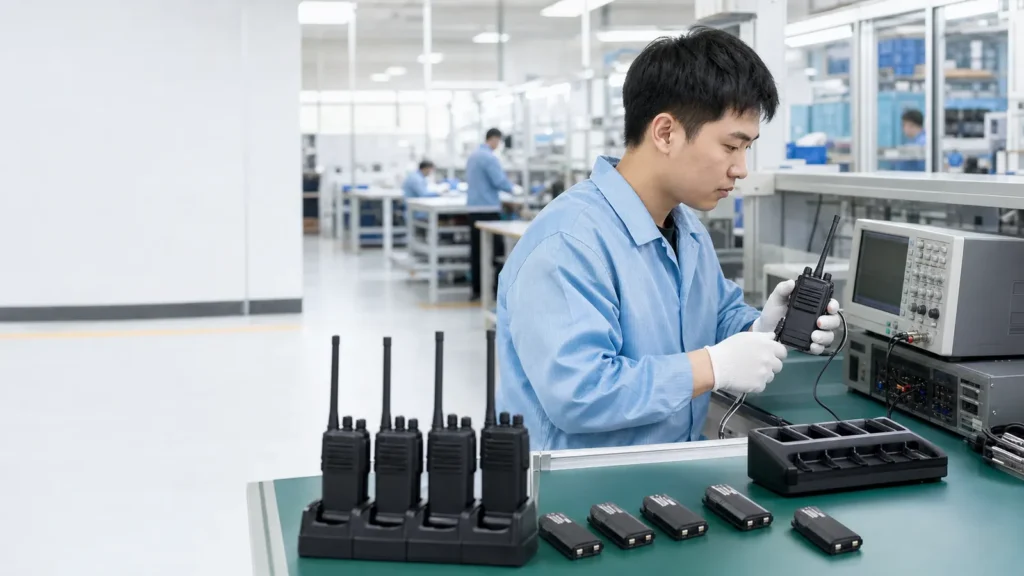
Two way radio quality control inspection before shipment

CE, RoHS & PSE Certification for Walkie Talkie Imports

CE, RoHS & PSE Certification for Walkie Talkie Imports Short answer: EU and UK buyers need CE (or UKCA) marking plus RoHS compliance documentation, while Japan requires PSE certification for certain electrical components and radio-type approval from Japan’s regulator. Always request the actual test report and certificate number, not just a logo on a product

CE, RoHS & PSE Certification for Walkie Talkie Imports Read More »

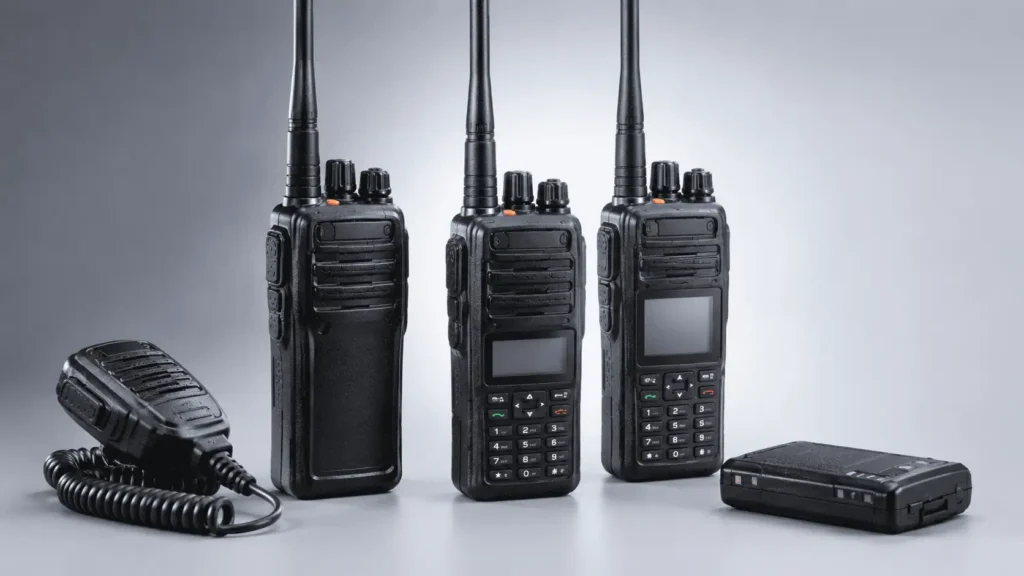
Professional DMR radios for business communication

DMR vs. Analog vs. PoC Two-Way Radios: The Ultimate B2B Sourcing Guide

[B2B Sourcing Summary] Analog vs. DMR vs. PoC: Which radio technology fits your market? Choosing the correct communication protocol depends on your target industry, range requirements, and encryption needs: Analog Radios (VHF/UHF): Cost-effective, simple deployment, short-to-medium range (1–5 km). Ideal for hospitality, retail, and basic commercial promotions. DMR Digital Radios (Tier II/III): Crystal-clear digital audio,

DMR vs. Analog vs. PoC Two-Way Radios: The Ultimate B2B Sourcing Guide Read More »

Get a Quote